How Does Pragmatic Play Build Volatility into Their Online Slot?

Are you looking to know How Does Pragmatic Play Build Volatility into Their Online Slot? then read this article to find out How Does Pragmatic Play Build Volatility into Their Online Slot

How Does Pragmatic Play Build Volatility into Their Online Slot?

Pragmatic Play releases games at a pace most studios cannot sustain. Volume alone would mean little without mechanical consistency running behind each release. What keeps players returning across their catalogue is something more specific: a deliberate volatility architecture that shapes how each game behaves from base play through to full bonus resolution. That architecture is intentional. It reflects a structured approach to player experience running consistently across their entire portfolio, regardless of theme, grid configuration, or bonus type.

Pragmatic Play online slots carry a published volatility rating, and those ratings reflect genuine mechanical differences rather than surface labels. Players who move across the catalogue recognise patterns quickly. The rating shapes the entire session long before the first spin lands, which is also why many players exploring new titles often start with free credit slot offers to experience the volatility before committing real funds.

Reel weight decisions

Symbol frequency on each reel determines how often specific combinations form during base play. Pragmatic Play adjusts reel weights precisely across volatility tiers. Low volatility games place higher-value symbols at greater frequency across the reel set. High volatility games reduce that frequency significantly, concentrating return potential inside bonus rounds rather than spreading it across regular base game spins. That weighting decision is the first layer of volatility construction. Before any bonus mechanic activates, the base game already reflects the chosen volatility profile through symbol distribution alone. Players experience this directly as hit frequency, which is how often any winning combination lands during a standard spinning sequence.

Bonus trigger rates

Trigger frequency is the second major lever Pragmatic Play adjusts across its volatility spectrum. High volatility games carry lower scatter frequency across their reel configurations. The bonus round arrives less often. When it arrives, the round carries a significantly elevated return potential that compensates for the extended base game period preceding each trigger. Medium volatility games balance this across a different structure:

  • Scatter frequency sits higher than high volatility equivalents throughout
  • Individual bonus round potential sits lower per trigger event
  • Base game win frequency fills the intervals between bonus activations
  • Overall session variance distributes more evenly across the full play period

This means the same studio produces games that feel structurally different despite sharing visual and mechanical similarities across a single series. A high volatility game and a medium volatility game from the same Pragmatic Play series play as genuinely distinct experiences when measured across extended sessions.

Multiplier placement strategy

Where Pragmatic Play positions multipliers within a bonus round reveals the clearest signal of their volatility intent. High volatility games concentrate on multiplier growth in the later stages of each round. Early spins build the foundation at base symbol values. Later spins carry the elevated multipliers where the maximum symbol value can interact with them at the peak level. This back-loaded structure produces the characteristic experience players associate with Pragmatic Play’s high volatility releases:

  • Early bonus spins land wins at standard base symbol values
  • Multipliers accumulate or rise progressively as the round advances
  • Peak multiplier activity arrives toward the round’s closing sequence
  • Maximum return potential concentrates at the end rather than being distributed evenly throughout

Medium volatility rounds from the same studio distribute multipliers far more evenly from the opening spin onward. Players interact with elevated values consistently across the entire round rather than building toward a concentrated late peak. Both structures serve different player preferences with equal intentional care.

Choosing the Perfect Pendant Necklace: A Simple Guide

Are you looking to know Choosing the Perfect Pendant Necklace: A Simple Guide then read this article to find out Choosing the Perfect Pendant Necklace: A Simple Guide

Choosing the Perfect Pendant Necklace: A Simple Guide

Pendant necklaces are beautiful and timeless pieces of jewellery. They can enhance your overall appearance and also reveal your personality. Whether you are buying one for yourself or as a gift for someone special, choosing the right pendant necklace requires some thought. pendants This guide will help you understand how to select the perfect one by looking at style, material, chain length, and care tips.

A pendant necklace usually has a chain or cord with a decorative piece hanging from it. This decorative piece is called the pendant. Pendants come in many shapes, sizes, and designs, which makes them suitable for both everyday wear and special occasions. To choose the right pendant necklace, consider a few key factors.

Pendant Style

The style of the pendant should match your personal taste and the event where you plan to wear it.

  • Classic pendants are simple and elegant. They often have one gemstone or a clean, minimal design. These are perfect for daily wear and never go out of style.
  • Statement pendants are bold and eye-catching. They may have large stones or detailed designs. These are great for parties or special occasions.
  • Symbolic pendants include meaningful symbols, such as religious signs or shapes that represent love, luck, or protection. These are special because they carry personal meaning.
  • Personalised pendants may include your name, initials, or a custom design. They add a unique and personal touch.
  • Lockets are pendants that open and allow you to keep a small photo or memory inside. They are sentimental and meaningful gifts.

Pendant Materials

The material of the pendant affects how it looks, how long it lasts, and how much it costs.

  • Gold is a popular choice and comes in yellow, white, and rose shades. It looks rich and elegant.
  • Silver has a modern and stylish appearance and is usually more affordable than gold.
  • Gemstones like diamonds, sapphires, or emeralds add sparkle and colour.
  • Pearls give a soft, graceful, and classic look.
  • Enamel pendants are colourful and often have artistic designs.
  • Some pendants use mixed materials to create a unique style.

Chain Length

The chain length also plays an important role in how the necklace looks on you.

  • A choker (14–16 inches) fits snugly around the base of the neck.
  • A princess length (18 inches) rests just below the collarbone and is the most common choice.
  • A matinee length (20–24 inches) falls at the centre of the chest.
  • An opera length (28–34 inches) is longer and ideal for formal outfits.
  • A rope length (over 36 inches) is very long and can be styled in different ways.

Care Tips

To keep your pendant necklace looking new, take good care of it. Remove it before swimming or bathing. Store it in a jewellery box or pouch to prevent scratches and tangles. Clean it gently with a mild jewellery cleaner and a soft brush.

In conclusion, choosing the perfect pendant necklace depends on style, material, chain length, and proper care. Pick one that matches your personality and holds meaning for you. A well-chosen pendant necklace can become a special and lasting part of your jewellery collection.

Lemon Cherry Gelato Strain: An In-Depth Overview

Are you looking to know Lemon Cherry Gelato Strain: An In-Depth Overview then read this article to find out Lemon Cherry Gelato Strain: An In-Depth Overview

Lemon Cherry Gelato Strain: An In-Depth Overview

INTRODUCTION

Lemon Cherry Gelato is a well-loved hybrid strain celebrated for its vibrant flavor and balanced effects. It brings together the sweetness of dessert-style cannabis with a smooth, uplifting high, making the lemon cherry gelato strain a top choice for many enthusiasts. The strain offers a blend of relaxation and gentle euphoria, appealing to people who enjoy fruity profiles as well as those looking for a versatile experience that can suit both leisure and therapeutic needs.

GENETIC BACKGROUND

This hybrid leans slightly toward the Indica side yet maintains a harmonious balance overall. Its genetics stem from an impressive trio: Sunset Sherbet, Girl Scout Cookies, and an unidentified third parent. This combination contributes to the strain’s signature taste—bright, sweet, and layered—and supports its well-rounded effects, which appeal to a broad range of users.

GROWTH CHARACTERISTICS

Lemon Cherry Gelato grows as a photoperiod strain, generally completing its flowering cycle in about eight to ten weeks. This moderate timeline makes it approachable for growers who prefer a middle-range schedule. It can adapt to both indoor and outdoor settings, but indoor environments with temperatures around 70–80°F (21–27°C) during the vegetative phase tend to bring out its best qualities.

FLAVOR AND AROMA PROFILE

This strain is known for its standout flavor profile, featuring lively lemon notes with sweet cherry undertones. Users often describe it as rich, fruity, and reminiscent of candy or desserts. Earthy and herbal hints sit in the background, adding depth to the overall taste. The terpene profile features limonene, which gives the bright citrus edge; caryophyllene, which brings spicy and grounding characteristics; and myrcene, which contributes relaxing, mellow effects along with subtle herbal qualities.

EXPERIENCE AND EFFECTS

Lemon Cherry Gelato typically induces a cheerful, relaxed, and lightly euphoric state. Mentally, it can boost creativity and elevate mood, making it well-suited for socializing, brainstorming, or simply enhancing moments of enjoyment. Many people find it energizing enough for daytime use but calm enough for winding down. Physically, it offers soothing relaxation without leading to heavy sedation, easing tension in the body and helping users feel comfortable yet alert.

POSSIBLE DOWNSIDES

Like many strains with higher THC levels, dry eyes and dry mouth are among the most common side effects. Sensitive users may occasionally experience dizziness or anxiousness if they consume too much, especially since THC levels can range from 20% to 28%. CBD content typically stays below 0.1%.

THERAPEUTIC POTENTIAL

People often turn to Lemon Cherry Gelato for relief from stress, anxious thoughts, low mood, and various types of discomfort. Its uplifting nature can help soften mental strain, while its calming physical properties offer relief from aches, headaches, or muscle tightness.

FINAL THOUGHTS

Lemon Cherry Gelato stands out for its flavourful blend of zesty lemon and sweet cherry and its well-balanced emotional and physical effects. Whether someone seeks a mood boost, stress relief, or simply an enjoyable experience with rich flavor, this strain tends to deliver consistently. Its flexibility makes it a popular option for both recreational enjoyment and supportive therapeutic use.

How Medical Cannabis Research Is Transforming Modern Healthcare

Are you looking to know How Medical Cannabis Research Is Transforming Modern Healthcare then read this article to find out How Medical Cannabis Research Is Transforming Modern Healthcare

How Medical Cannabis Research Is Transforming Modern Healthcare

For much of the 20th century, cannabis was shrouded in controversy, misinformation, and tight restrictions. Today, that narrative is changing rapidly. Medical cannabis research has become one of the most dynamic areas in healthcare, uncovering promising evidence that cannabis compounds may provide real therapeutic value across a wide range of medical conditions.

This transformation is not merely social or scientific. Modern technology now enables researchers to analyze cannabinoids, terpenes, and other active molecules with incredible accuracy. Fast and discreet weed delivery across Toronto ensures that consumers can access quality products safely while benefiting from ongoing scientific advancements. From treating chronic pain to addressing neurological and mental health disorders, cannabis research is opening new doors for both physicians and patients.

A Brief History and Scientific Evolution

The medicinal use of cannabis is far from new. Ancient civilizations in Asia, the Middle East, and Africa used cannabis-based remedies thousands of years ago. What’s new is the level of scientific precision guiding today’s studies.

For decades, legal and political barriers have limited research efforts. Now, with shifting regulations and improved lab technology, mass spectrometry, metabolomics, and clinical trials, scientists can finally investigate how cannabis interacts with the human body.

This new wave of research allows experts to:

  • Identify key active compounds such as THC and CBD.
  • Examine how these compounds engage with the body’s endocannabinoid system.
  • Establish safe dosage and risk profiles.
  • Explore emerging therapeutic uses beyond pain relief.

Why This Research Matters

Chronic illnesses are on the rise, and conventional pharmaceuticals don’t always provide effective or tolerable solutions. Medical cannabis research offers evidence-based alternatives that may improve patient outcomes while reducing dependence on opioids or other harsh medications.

Key Potential Benefits Include:

  • Pain Relief: Studies suggest cannabis may ease chronic pain with fewer addictive risks compared to opioids.
  • Neurological Disorders: Research shows promise for conditions like epilepsy, multiple sclerosis, and Parkinson’s disease.
  • Mental Health Support: Controlled cannabis therapies may help patients coping with PTSD, anxiety, or depression.
  • Cancer Care: Cannabis can help reduce chemotherapy-related nausea, stimulate appetite, and alleviate pain.
  • Personalized Medicine: Understanding genetic and biochemical differences may soon allow for customized cannabis treatments.

The Role of Technology

Advanced analytical tools, such as metabolomic profiling and cluster analysis, are revolutionizing cannabis research. These methods reveal how cannabinoids metabolize in the body and how they interact with other compounds, turning anecdotal claims into verifiable science. This empowers doctors to prescribe treatments with confidence and provides patients with data-backed care.


A Global Perspective

Worldwide, laws and perceptions are evolving. Canada, several U.S. states, Germany, and the Netherlands have embraced medical cannabis programs. In parts of Asia and Africa, research initiatives are emerging to explore both health and economic benefits. Governments and institutions are increasingly funding cannabis studies, driving innovation in the field.

Ongoing Challenges

Despite remarkable progress, obstacles remain: regulatory restrictions, inconsistent product standards, limited funding, and lingering stigma continue to hinder large-scale advancement. Overcoming these challenges will require coordinated efforts between researchers, policymakers, and the medical community.

Conclusion

Medical cannabis is moving from the margins of medicine to its mainstream. With stronger evidence, sophisticated technology, and expanding global acceptance, cannabis is redefining what’s possible in modern healthcare. Continued research promises not just new treatments but a deeper understanding of how nature and science can work together to improve human health.

Things You Should Know About Tooth Extraction

Are you looking to know about Tooth Extraction then read this article to find out Things You Should Know About Tooth Extraction

Things You Should Know About Tooth Extraction

What Is Tooth Extraction?

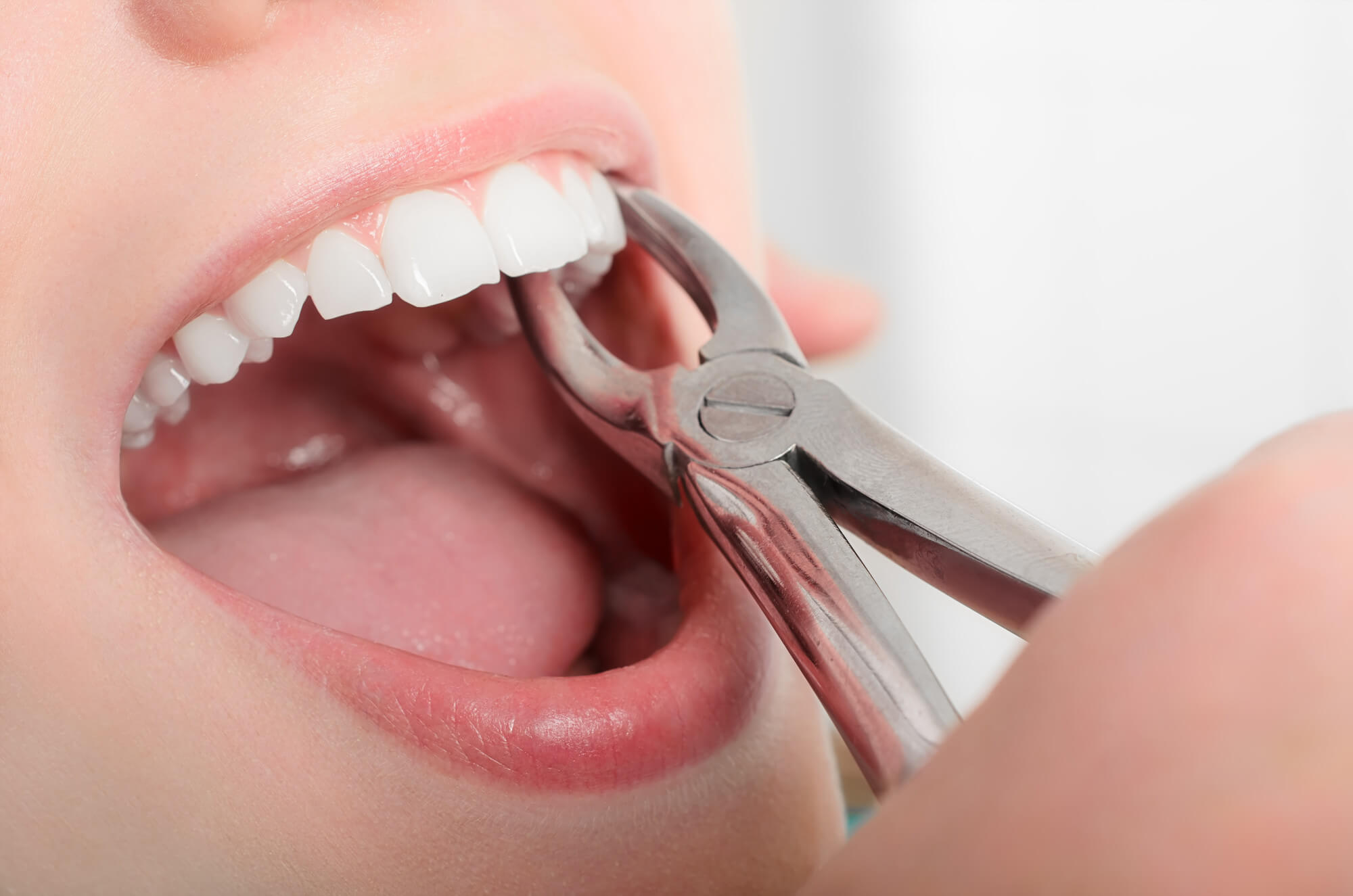
Tooth extraction is a procedure that incorporates the act of pulling out a tooth out of the socket of the jawbone. This is a dental operation that is usually termed as tooth pulling.

Discover the reason as to why Tooth Extraction is required.

The dentists will do anything to save the natural teeth whenever possible. However, when a tooth is severely affected, the gum is very badly decayed, or the tooth is very dangerous to other teeth and gums, it should be extracted. Additionally, understanding emergency dentist suwanee can help patients plan their overall dental care, especially if teeth alignment is needed after extraction.

Who removes teeth?

Simple tooth extraction is normally done by general dentists. More complex cases such as affected teeth of the wisdom or surgical operations are carried out by experts in related specialties such as oral and maxillofacial surgeons or periodontists.

Preparation of Tooth Extraction.

The emergency tooth removal can be needed in case, say, in case of an injury, the extraction must be done urgently. Prior to surgery, you must inform your dentist regarding any medications, vitamins, or supplements that you take to them. Whether some of the medications will be discontinued before the procedure is a recommendation of your dentist. A sedation alternative will be discussed as well, so that you are quite at home with the extraction procedure, especially when you experience anxiety about dentistry.

The Expectations in a tooth extraction.

Extraction of one tooth normally takes between 30 and 60 minutes, maybe even longer in the event of more than one tooth. The process eliminates the existence of detrimental bacteria that cause putrefaction and infection and also alleviates the pain in the teeth particularly in cases where the tooth has been broken or infected.

Risks and Side Effects

Tooth extraction has been considered safe but there are minor risks such as bleeding, swelling, or being infected. Side effects such as discomfort, swelling, bruising, slight bleeding and mild pain are common effects that are usually cured after a week. Your dentist provides you with post-operative care instructions that can be utilized to deal with these symptoms.

Recovery Period following Tooth Removal.

The time of healing depends on the size and the condition of teeth. The majority of people are ready to resume normal life after 48-72 hours although full bone recovery may take weeks or months. Physical occupations might need more rest days. When considering dental implant, it is normal to take several months to heal the extraction site prior to placing the implant.

Care After Tooth Extraction

The instructions that should be provided to the patient post-extraction care involve avoiding some activities and adhering to hygiene rules to assist in healing. Your dentist will give you detailed instructions depending on your case. Official advice includes avoiding smoking, no use of straws and overworking after the procedure.

When to Contact Your Dentist

In case of pain that fails to heal, or the development of additional symptoms in the form of excessive swelling, fever or drainage contact your dentist without delay.

Superficial Replacement Of Extracted Tooth.

Even though tooth extraction can be terrifying it can be the most effective way to prevent further infection and rebuild the health of the oral cavity. Once extracted, the patients are advised to consult their dentist on replacements.

Brushing and Flossing 101: Simple Habits for a Healthy Smile

Are you looking to know Brushing and Flossing 101: Simple Habits for a Healthy Smile then read this article to find out Brushing and Flossing 101: Simple Habits for a Healthy Smile

Brushing and Flossing 101: Simple Habits for a Healthy Smile

Taking care of your teeth may seem like a small part of your daily routine, but it plays a big role in your overall health. A clean mouth not only keeps your smile bright but also prevents problems like cavities, gum disease, and bad breath. Brushing and flossing are the two most important habits for maintaining good oral hygiene, yet many people perform them too quickly or without the proper technique. Let’s break down the basics in a simple way.

Why brushing matters

Brushing your teeth removes food particles and plaque, which is a thin film of bacteria that sticks to your teeth. A dentists in hillsboro (Doctor of Dental Surgery) often emphasizes that if plaque is not cleaned, it can harden into tartar, which is more difficult to remove and can cause damage to your gums. Brushing twice a day—once in the morning and once before bed—is the minimum you should aim for. Each session should last about two minutes. If you usually rush, try setting a timer until you get used to brushing for the right amount of time.

The right way to brus

To get the best results, follow these simple steps:

Place your toothbrush at a slight angle so the bristles touch both your teeth and gum line.

Use small, gentle strokes instead of scrubbing hard.

Clean the outside, inside, and chewing surfaces of every tooth.

Don’t forget to brush the back teeth, as they collect the most food.

For fresh breath, brush your tongue once a day as well.

Hard brushing does not mean cleaner teeth. In fact, brushing too hard can wear down the enamel and irritate your gums. Gentle and consistent cleaning is much better.

Why flossing is important

Flossing is just as important as brushing, but many people skip it. Your toothbrush cannot reach the tight spaces between your teeth, which makes those areas a common spot for plaque buildup. Flossing once a day removes trapped food and helps prevent cavities between teeth. It also lowers the risk of gum problems.

How to floss correctly

Pull about 18 inches of floss and wrap the ends around your fingers for a firm grip.

Move the floss gently between your teeth, curving it into a “C” shape around each tooth.

Move the floss up and down against the sides of the teeth, not just in and out.

Be gentle near the gums to avoid irritation.

It may feel awkward at first, but with practice, flossing becomes quick and easy.

Extra tips for better oral health

Try to limit snacking during the day. Each time you eat, your teeth are exposed to acids that weaken enamel.

Drink water after meals to rinse away food particles.

If you eat something acidic, wait about 30 minutes before brushing to protect your enamel.

Visit your dentist regularly—twice a year is recommended for most people.

https://www.youtube.com/watch?v=qcWpRmZoIXc&list=RDqcWpRmZoIXc&start_radio=1

Final thought

Brushing and flossing may take only a few minutes each day, but those minutes make a huge difference for your oral health. By brushing the right way, flossing daily, and making small adjustments to your habits, you can keep your teeth strong and your smile fresh for years to come.

SEO for Dentists: A Simple Guide to Attract More Patients

Are you looking to know SEO for Dentists: A Simple Guide to Attract More Patients then read this article to find out SEO for Dentists: A Simple Guide to Attract More Patients

SEO for Dentists: A Simple Guide to Attract More Patients

1. INTRODUCTION

Think about the last time you searched for a dentist online. You may have typed “best family dentist near me” and seen many results. For dental practices, the main question is: how do you ensure patients find and choose you?

The answer is Dental SEO (Search Engine Optimization). This strategy helps your clinic appear higher in search results so that when people look for dental services, seo services for dentists ensures your website is the first they see. Done right, dental SEO not only brings more visitors to your site but also turns them into actual patients.

2. WHY DENTAL SEO MATTERS?

  • Increases visibility and local reach: Millions of people search “dentist near me” every month. By using the right keywords like “dentist in Chicago” or “teeth whitening in Houston,” your clinic can show up in front of local patients exactly when they need help.
  • Boosts website traffic: The higher your site ranks, the more people will click on it. Studies show the first search result gets the most attention, so SEO directly impacts the number of patients landing on your page.
  • Builds trust and credibility: When patients see your clinic consistently appearing online, backed by useful blogs, reviews, and testimonials, it signals that your practice is reliable and professional.
  • Expands your patient base at lower costs: Unlike traditional ads, SEO is more affordable and offers long-term benefits. Once your site is optimized, it continues attracting patients without huge ongoing costs.

3. HOW TO DO SEO FOR YOUR DENTAL PRACTICE

  • Create useful content: Write about common questions patients ask: “How much does Invisalign cost?” or “How do veneers work?” Blog posts and service pages should be detailed, easy to understand, and include relevant keywords naturally.
  • Show your expertise (E-E-A-T): Highlight your qualifications, certifications, and team experience on your website. Share real patient stories, before-and-after photos, and reviews to build trust.
  • Focus on local SEO: Claim and optimize your Google Business Profile with correct Name, Address, and Phone number (NAP). List your clinic on trusted directories like Yelp or ZocDoc, and encourage patients to leave reviews. Positive ratings push you higher in local search results.
  • Keep your website healthy: Regularly check for broken links, slow loading times, or missing information. Make sure your site is mobile-friendly since most patients search from their phones. Easy navigation and clear service pages keep visitors engaged.
  • Use social media and videos: Share dental tips, behind-the-scenes clips, and patient testimonials on platforms like Instagram or Facebook. Videos explaining procedures or offering oral care advice can attract and educate patients while strengthening your online presence.
  • Track your results: Use free tools like Google Analytics and Google Search Console to see which keywords bring visitors, how much traffic your site gets, and whether patients are booking appointments.

4. CONCLUSION

SEO for dentists isn’t a one-time effort—it’s a continuous process. By creating valuable content, focusing on local visibility, and maintaining a strong online presence, your dental practice can steadily grow. Whether you choose to hire experts or learn to do it yourself, investing in SEO is investing in the future of your clinic. The sooner you begin, the sooner you’ll welcome more smiling patients through your door.

What is RTP and Why Does It Matters in Online Casinos?

Are you looking to know What is RTP and Why Does It Matters in Online Casinos? then read this article to find out What is RTP and Why Does It Matters in Online Casinos

What is RTP and Why Does It Matters in Online Casinos?

If you’ve played or are planning to try online casinos, you may have seen the term RTP and wondered what it means. RTP stands for Return to Player, and it’s one of the most important things to know before playing.

In simple terms, RTP tells you the percentage of money a game is expected to pay back to players over time. When playing online pokies real money, understanding RTP doesn’t guarantee winnings in every session, but it helps you understand how rewarding a game could be in the long run. Knowing the RTP can boost your confidence, help you pick better games, and manage your gambling budget more wisely.

RTP in Different Games

Every casino game has its own RTP percentage, decided by its rules and design. For example, slot machines, video poker, blackjack, and baccarat all come with unique RTPs.

Slots usually highlight RTP clearly, while table games are a bit different. In blackjack or poker, your strategy and decisions can influence the outcome, so RTP is only part of the picture. With slots, however, RTP is fixed and based purely on luck.

It’s also important to remember that even a slot with a 97% RTP won’t stop you from losing several spins in a row. On the other hand, you could still hit a big win on your first try. RTP works as a long-term guide, not a short-term prediction.

How is RTP Calculated?

RTP is worked out using the average bets, payouts, and rewards of a game. For instance, if you bet $10 and win $500, that round has a 5000% return. But when casinos calculate RTP, they use millions of spins or hands to find the overall percentage.

Games with an RTP of 94% or higher are usually considered good choices. Playing higher-RTP games may improve your chances, though even low-RTP games can be fun if you enjoy them.

Online vs. Land-Based Casinos

RTP can also vary depending on where you play.

  • Land-based casinos usually have lower RTPs, often under 92%. You might find payout stats online before visiting, but they’re rarely very high.
  • Online casinos generally offer higher RTPs, often 94–98%, with some reaching 99%. This makes online slots more appealing to many players. Online casinos also give easy access to many games, some with low volatility, and even accept cryptocurrency. If you play with crypto, always make sure the site uses fair technology to protect your funds.

Who Controls RTP?

Once a game developer sets the RTP, it cannot be changed by players or casino operators. Some online slots may have flexible RTP ranges, but even then, only the developer decides the options. This ensures fairness, though operators of offline slot machines might sometimes choose from preset RTP settings.

Conclusion

The thrill of winning is what makes online casinos exciting, but understanding RTP helps you play smarter. Higher RTP games give you better chances over time, though the casino will always keep an edge.

Play for fun, keep your personal information safe, and avoid untrustworthy sites. With RTP in mind, you can enjoy online gambling more responsibly and make decisions that suit your budget.

10 Warning Signs of Gum Disease

Are you looking to know 10 Warning Signs of Gum Disease then read this article to find out 10 Warning Signs of Gum Disease

10 Warning Signs of Gum Disease

Understanding Gum Disease

Gum disease develops when plaque, a sticky layer of bacteria, collects along the gumline. This causes irritation, swelling, and damage to the gums and nearby tissues. While addressing gum issues, many patients also search for cosmetic solutions like cosmetic dentist nyc to improve both health and appearance. The earliest stage is called gingivitis, which can usually be reversed if treated on time. If left untreated, it may develop into periodontitis, a more serious stage that can harm the bone and gums holding your teeth in place.

Why Spotting It Early Matters

Noticing gum problems early is very important. It can stop the disease from getting worse and also reduce risks to your overall health. Studies show that gum disease is connected to other health issues such as diabetes, stroke, and heart disease. Visiting your dentist regularly and getting professional cleanings can help spot problems before they become severe.

10 Common Signs of Gum Disease

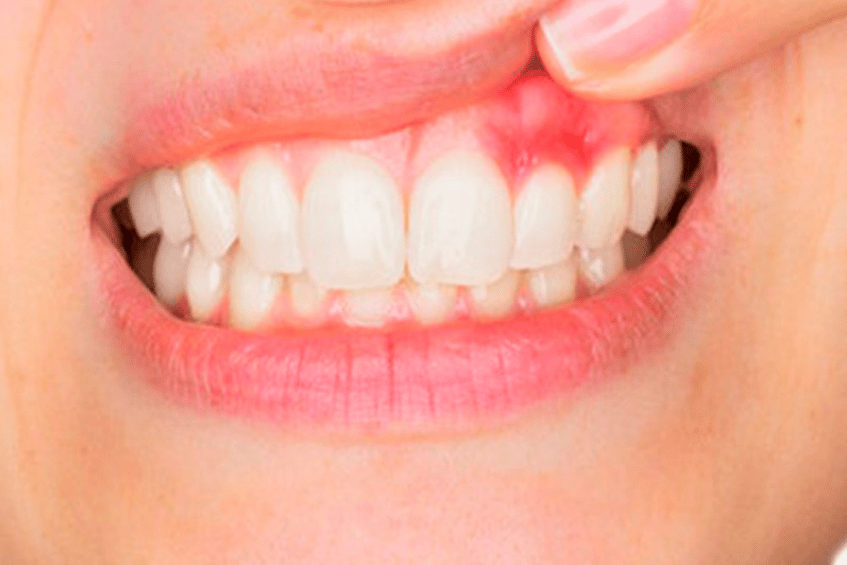
  1. Red or Swollen Gums
    Healthy gums are usually firm and pink. If they look red, puffy, or sore, it may be an early warning sign.
  2. Bleeding Gums
    Bleeding occasionally from brushing too hard can be normal, but frequent bleeding when brushing or flossing often signals gum disease.
  3. Persistent Bad Breath
    If bad breath continues even after brushing and using mouthwash, bacteria in gum pockets may be the cause.
  4. Gum Recession
    When gums start pulling away from the teeth, your teeth may appear longer than usual. This can happen in more advanced gum disease.
  5. Pain or Tenderness
    Gums that hurt while eating or brushing may be irritated or infected.
  6. Loose Teeth
    When gum disease worsens, the supporting tissues and bone become weak, making teeth feel loose.
  7. Pus Between Teeth and Gums
    Pus is a sign of infection and needs immediate dental treatment.
  8.  Changes in Your Bite
    If your teeth suddenly feel out of place or your bite feels different, gum disease could be affecting their position.
  9. New Spaces Between Teeth
    Gaps may appear as gum tissue and bone are damaged.
  10. Sensitivity to Hot or Cold
    When gums recede, tooth roots become exposed, which can make your teeth sensitive to
    temperature.

Treatment Options

Non-Surgical Care

  • Scaling and Root Planing: This treatment involves deep cleaning below the gumline to remove hardened plaque and polish the roots for better recovery.
  •  Medicinal Rinses: Special antibacterial rinses may be prescribed to reduce germs and swelling.

Surgical Care
In severe cases, surgery such as gum grafts or pocket reduction may be necessary to repair gums and bone.

Preventing Gum Disease

Good oral hygiene is the best protection against gum problems. Follow these steps:-

  • Brush twice daily with fluoride toothpaste.
  •  Floss daily to clean away plaque from between your teeth.
  • Use an antibacterial mouth rinse.
  • Visit your dentist regularly for professional cleanings and exams.

Conclusion

Looking after your gums is just as vital as looking after your teeth. Spotting the warning signs early and maintaining healthy habits will help keep your smile strong and protect your overall health.